If you rely on a trailer for work, travel, or recreation, you should always be aware of the condition of your tires. A shredded tire on a hot Sacramento afternoon can result in a sudden blowout on the road or even damage your trailer.
As a local Sacramento Trailer Repair company with a large number of customers, we get to see and work on tire-related damage almost every other week.
We always tell our customers that most of it could have been prevented with proper trailer tire maintenance. The best part is that you don’t need to be a mechanic to protect your tires. You just need the right habits, the right checks, and a little insider knowledge from people who work on trailers every day.
So, let’s start unfolding the trailer tire care routine!
Why Do Trailer Tires Blow Out So Often?
A common mistake we see at our Sacramento shop is owners treating trailer tires like car tires. But did you know that trailer tires are built with stiffer sidewalls to handle heavy vertical loads and suppress swaying? Unlike your truck tires, which are designed for traction and turning, trailer tires are designed to follow.
Mostly, blowouts don’t happen because of one big mistake. They’re usually the result of several small problems building up over time.
Too Much Weight for the Tires
Trailers are often loaded just a little extra before long trips. That extra weight puts constant stress on the tire’s internal structure until it finally gives out, usually at highway speed.
Incorrect Tire Pressure
Low pressure creates excessive heat inside the tire. Too much pressure reduces its ability to absorb road impact. Either way, the tire becomes vulnerable long before you notice a problem.
Hidden Punctures or Road Damage
When you go on long trips, your trailer comes in contact with small nails or sharp road debris that can weaken a tire from the inside. The tire may hold air for weeks, but the internal belts slowly break down. This increases the chance of a sudden failure on the road.
Old or Weather-Damaged Tires
Tires that look fine on the surface can be unsafe. Sacramento heat, sun exposure, and long storage periods dry out rubber, making blowouts far more likely.
Extreme Heat and Temperature Swings
Driving fast on hot pavement while carrying a heavy load puts extra strain on your tires. That heat builds up quickly, and once it does, a blowout can happen without much warning.
How to Prevent Tire Blowouts and Make Your Tires Last Longer?
1. Check the Pressure Before Every Trip
Low pressure is the most common reason behind a tire blowout. When a tire is low on air, its sidewalls flex. That extra movement creates heat. Since trailer tires already carry heavy loads, the rubber can break down and fail.
- Check the pressure when the tires are cold.
- Inflate to the PSI listed on the tire sidewall.
- A trailer tire can look full even after losing 20% of its air. That’s why you should use a high-quality digital gauge to check the exact pressure.
2. Don’t Overload Your Trailer
Every trailer tire is built to handle only a specific amount of weight. When you go over them, the tire takes on extra stress, which increases the risk of failure.
- Make sure your load is balanced side-to-side and front-to-back. An uneven load puts massive stress on a single tire, resulting in a blowout.
- Check the Load Range. It’s usually a letter like C, D, or E, and make sure the total weight of your trailer plus cargo doesn’t exceed the combined capacity of the tires.
3. Don’t Ignore the Tire’s Age
Trailer tires can look completely perfect and still be dangerous. That’s because trailers spend a lot of time parked, and the rubber compounds dry out. This is called dry rot. The tire loses its elasticity and can develop internal separations that you can’t see.
- To find out how old your tires are, look for the DOT code on the sidewall.
- The last four digits tell you the week and year of manufacture, e.g., 1221 means the 12th week of 2021.
- It’s best to replace your tires every 3-5 years.
- If they’re already six years old. Change them immediately.
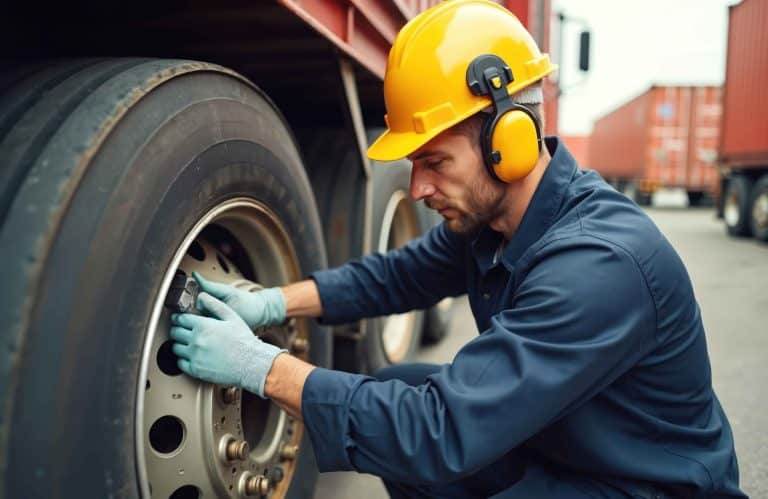
4. Inspect Tires for Damage Before You Tow
Before every trip, taking two minutes to walk around your trailer can save you thousands of dollars! Look for –
- Cracks in the sidewall
- Bulges or bubbles
- Uneven tread wear
- Embedded debris
- Flat spots from sitting
These small signs often show up before a blowout happens. However, if you’re unsure about them, visit an experienced Sacramento trailer repair shop to inspect the tires.
5. Balance and Align Your Trailer Tires
Many trailer owners skip balancing because they think it’s required only for cars. That’s a mistake. Unbalanced or misaligned trailer tires cause vibration while towing, rapid tread wear, stress on suspension components, and reduced tire lifespan.
If your trailer pulls oddly or tires wear unevenly, it’s time for professional attention.
6. Protect Tires When Your Trailer Is Parked
When your trailer is not in use and often sits for weeks, it suffers from UV damage, dry rot, flat spotting, and moisture exposure. You can protect it by using some simple protection tips.
- Use tire covers.
- Park on concrete or wood blocks (not bare dirt).
- Move the trailer occasionally.
- Store in shaded areas when possible.
Common Questions People Ask About Their Trailer Tire Care
1. Is it okay to mix old and new trailer tires?
No, that’s not safe. New tires are stronger and more flexible, while older tires are already weakened by age and heat. When you mix them, the tires don’t carry the load evenly. The older tire ends up working harder, wearing out faster. This increases the risk of a blowout on long trips or at highway speeds.
2. Do I need to balance trailer tires?
Yes. Unbalanced trailer tires can cause vibrations while driving. Over time, those vibrations lead to uneven tread wear (often called cupping) and can even loosen bolts and other trailer parts. Balancing your tires helps them wear evenly and protects both the tires and the trailer.
3. How fast can I safely drive on my trailer tires?
Most ST tires (Special Trailer tires) are rated for up to 65 mph. Some newer trailer tires can handle 75 or even 81 mph, but you need to check the speed rating letter on the tire’s sidewall to be sure. Driving faster than the rated speed creates excessive heat, which weakens the rubber and greatly increases the risk of a blowout.
Takeaway
Proper trailer tire care saves you money on replacements and protects you from any damage or accident on the road.
Regular inspection is the key to taking care of tire condition. Always keep your tires inflated and covered. And when something doesn’t look or feel right, getting help from a professional can catch small issues before they turn into costly or unsafe problems.
Protect Your Tires Before Your Next Trip – Trust McColloch’s RV Repair
Planning a big trip soon? Don’t leave it to chance. Stop by McColloch’s RV Repair in Sacramento. With over 30 years of experience, our expert technicians can take care of most makes and models of trailers.
Whether you need trusted trailer tire maintenance or any particular trailer repair services, like battery, roof, appliance, lightning, etc., we do it all.
We’ll give your tires, bearings, and suspension a thorough inspection, so you can hit the road with confidence.
Call us at 916-929-3510 to schedule your trailer’s inspection!