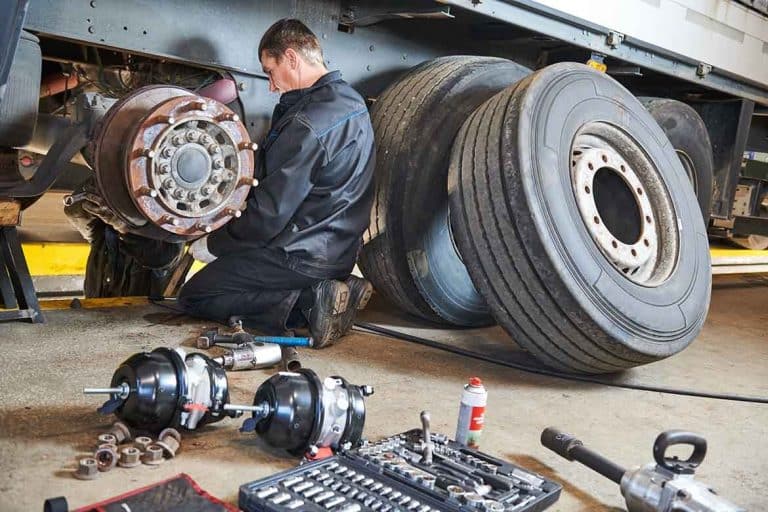
Buying a used trailer is a good investment. You get reliable transportation without the brand-new price tag. However, it’s not as simple as it seems. You need to be very careful before putting your money into it.
A used trailer has its own history, and if you don’t know about it, you could accidentally buy someone else’s costly headache. That’s why a thorough used trailer pre-purchase inspection is so important.
At McColloch’s RV Repair, we’ve seen it all, from small wiring problems to frames barely held together by rust. To help you avoid those headaches, we bring you this expert checklist to spot major red flags before you make an offer.
The Ultimate Pre-Purchase Checklist for Used Trailer Inspection
The main purpose of this checklist is to help you make a confident, informed decision.
1. Inspect the Frame and Foundation
The frame is the most expensive part to repair or replace, so make sure it’s in good condition.
Check for Rust or Corrosion
Some surface rust (the light, flaky orange kind) is usually manageable. But deep corrosion that pits the metal, flakes off in layers, or creates holes is a serious danger.
When a trailer frame has severe rust, the metal becomes very thin and weak. A common way to test this is to gently press a screwdriver against the rusted area.
- If the metal is still solid, the screwdriver won’t go through it.
- If the metal is badly rusted, the screwdriver can poke through the metal because it has become soft and fragile. Don’t buy it!
Look for Welds and Cracks
- Check all the weld joints, mainly where the tongue connects to the frame and where the axles and springs are attached.
- Small cracks around a weld usually mean the trailer was overloaded or stressed.
- Also watch for fresh, messy welds; they often hide a recent break or accident damage.
Twists, Bends, or Sag
Stand far back and look down the entire length of the trailer. Does the frame look straight? Does the floor look level? If it appears warped, twisted, or sags in the middle, the trailer has been overloaded.
You should not go for such a deal, as repairing a bent frame is very costly.
The Overpaint Check
You might notice a new shining RV available for sale in front of you. But did the seller just apply a shiny coat of new paint to the frame only? You must confirm this by checking it deeply.
If you spot isolated fresh paint, they might be hiding rust or quick-fix patches.
2. The Hitch, Coupler, and Safety Chains
The coupling mechanism is the only thing that keeps the trailer attached to your vehicle.
Inspect the Receiver (Coupler) Condition
Look for cracks, deformation, or excessive wear. Test the latching mechanism repeatedly; it should open and close smoothly and lock securely onto the hitch ball.
Jack and Landing Gear
On travel trailers and large semi-trailers, test the stabilizing jacks or landing gear. They should raise and lower without excessive binding, grinding, or loud screeching.
Safety Chains and Breakaway
Make sure the safety chains are strong and have no broken links. If the trailer has electric brakes, check that the breakaway cable is there, undamaged, and properly attached; it’s required by law for safe towing.
3. Tire’s Quality Check
Tires may look fine at a glance, but they have a hidden expiration date.
Tire Age (The DOT Code)
Find the four-digit DOT code stamped on the sidewall. The last four numbers are the week and year the tire was manufactured; for example, 4020 means the 40th week of 2020. If the trailer tires are older than 5-7 years, they could be unsafe and need replacement, regardless of tread.
Tread Wear
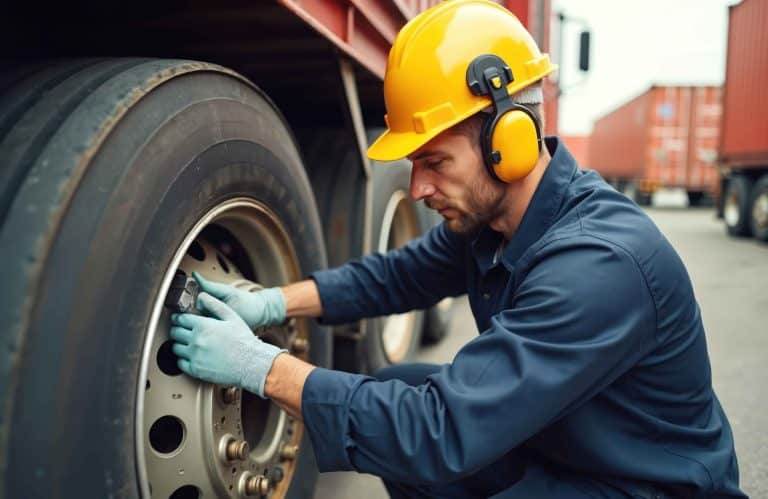
Check the tread depth. You should have at least 3/32 inch. Also, check for uneven wear. If you see cupping, inner-edge wear, or heavy wear on the outside, it suggests the axle could be misaligned or the suspension has problems.
Sidewalls and Matching
Look for weather cracking (dry rot), bulging, or scrapes on the sidewalls. Make sure all tires match in size, load range, and ply rating. Mismatched tires are a sign of poor maintenance.
4. Axles, Suspension, and Brakes Inspection
Axle Straightness
Look at the axles from behind. Are they parallel to the ground and parallel to each other? A bent or misaligned axle causes immediate, severe tire wear and can be the result of hitting a curb or overloading the trailer.
Wheel Bearings
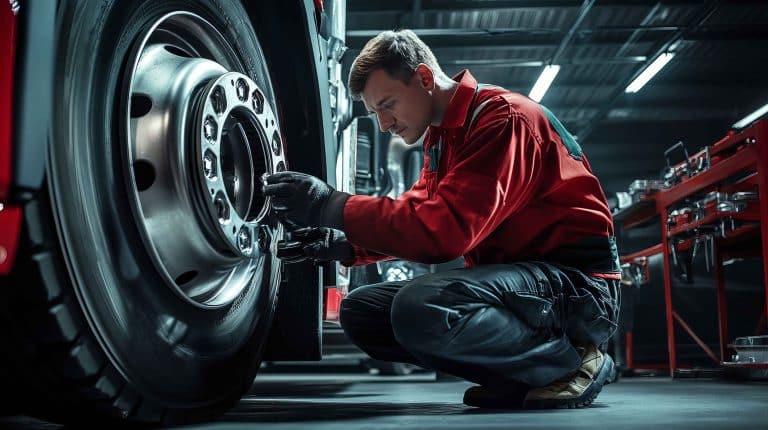
- If you can, jack up each wheel and spin it by hand. If you hear grinding or scraping, the bearings are worn out.
- Then try moving the wheel side-to-side and up-and-down. Any looseness means the bearings are damaged.
Suspension Check
Inspect leaf springs for cracked leaves or signs of sagging. Look at the shock absorbers (if present) for oil leaks. For air-ride trailers (like many semi-trailers), check the air bags for cracks and air leaks (listen closely for hissing).
5. Lighting and Wiring Checks for Safety and Legal Compliance
Faulty wiring is the most common and frustrating issue in used trailers.
Testing All Lights
Hook the trailer to your tow vehicle and check all the lights – running lights, brake lights, turn signals, and hazards. A burnt-out bulb is easy to fix, but if the wiring harness is corroded or faulty, it’s expensive and time-consuming to repair.
Wiring Harness
- Look at the trailer’s plug (7-way, 4-way, etc.) and make sure there’s no corrosion, bent pins, or cracks.
- Then follow the wiring under the trailer. The wires should be secured, protected, and not hanging near moving parts or dragging on the ground.
- If you see exposed wires, random splices, or electrical tape fixes, it’s a sign of poor maintenance.
6. Enclosed Body, Floor, and Doors (The Water Damage Test)
Water damage is destructive, expensive, and often hidden, so this test is most important.
The Floor Test
- Walk the entire length of the floor inside.
- Jump lightly in various spots.
- Pay attention to any soft or spongy spots on the floor. This usually means the wood underneath is rotting from long-term water leaks.
Roof and Seals
- Stand inside on a sunny day, if possible, and close all the doors and vents. Look up!
- If you see sunlight coming through roof seams, around vents, or around door seals, it means there are active leaks.
- Also check the walls for stains, bubbles, or peeling panels, which are signs of past or ongoing water damage.
Doors and Ramps
- Open and close the rear ramp or swing doors multiple times. They should move smoothly and latch tightly.
- Check the hinges for rust or excessive play.
7. The Paperwork Check
Don’t spend money on a trailer you can’t register!
Title and Registration
If a seller says the trailer is too old or doesn’t need a title, walk away!
In California (and most states), you must have a clean title in the seller’s name to register it. Also, make sure the VIN on the paperwork matches the VIN stamped on the trailer frame.
Weight Rating
Check the placard near the tongue for the GVWR (Gross Vehicle Weight Rating). This is the maximum weight that the trailer can safely haul, including its own weight. Make sure this number matches the kind of loads you plan to carry.
Note – If you have any doubts or don’t have enough time or clarity for a trailer inspection, it’s best to contact your local trailer facility. Trained technicians can find out even the hidden problems that you might miss during inspection.
Common Questions People Ask About Used Trailer Inspection
Can I inspect a trailer myself, or do I need a pro?
You can do a basic DIY inspection, and it’s great for spotting big issues like bad tires, visible rust, or broken lights. But professionals like McColloch’s RV Repair catch far more often, 70–80% more problems, because they know exactly where hidden issues show up.
How much does a trailer pre-purchase inspection cost?
The pre-purchase inspection cost varies by trailer type, but most inspections are affordable when compared to expensive hidden repairs you may avoid.
At McColloch’s RV Repair, we provide an exact quote and walk you through what’s included, so you know exactly what you’re paying for, no surprises!
What is the biggest red flag that should make me walk away immediately?
- The biggest red flag is missing or mismatched paperwork. If the title or VIN doesn’t match, walk away. Why should you buy a trailer that you can’t legally register?
- Other big problems include deep rust, broken welds, or bad water damage. Repairs like these can cost more than the trailer is worth, so it’s better to walk away.
Takeaway
Buying a used trailer can save you a lot of money, but only if you choose the right one. A careful inspection helps you avoid safety risks, hidden damage, and expensive repairs later. Use this checklist during your inspection, and never rush into a purchase just because the price looks good.
If you’re unsure about anything or find problems you can’t evaluate, get a professional inspection.
McColloch’s RV Repair – Get Expert Eyes on Your Trailer Before You Buy!
Whether you’re buying an RV trailer, cargo trailer, flatbed, or utility hauler, a proper inspection is the smartest investment you can make.
If you’re in the Greater Sacramento Area, McColloch’s RV Repair is the most reputable Sacramento trailer repair company you can trust. With over 30 years of experience in providing all types of RV services, our technicians know exactly how to spot hidden issues before they become expensive problems.
Call us at 916-929-3510 to book your full trailer inspection.