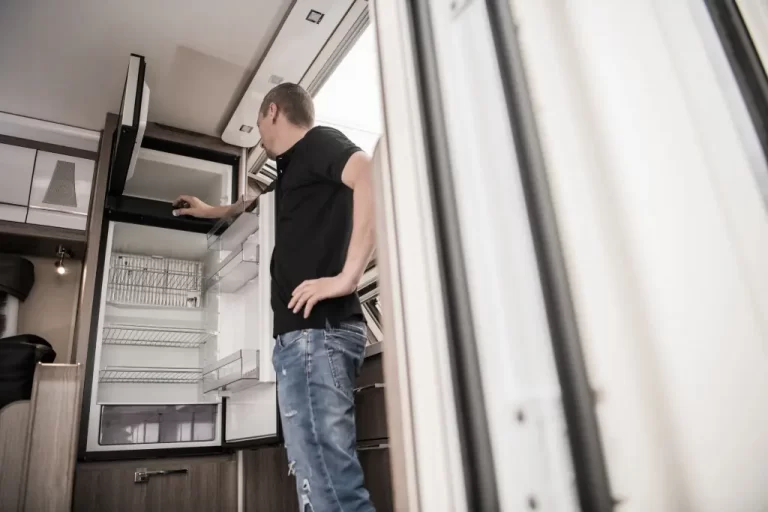
You’re packed up, the kids are buckled in, and you’re finally heading out for that long-awaited trip. You stop for lunch, open the fridge, and everything is warm. The milk, lunch meat, and drinks are all nearly ruined.
If you own a trailer, this scenario is more common than you might think. And in most cases, the reason is a failed cooling unit.
RV refrigerators are different from the one in your kitchen. They use an absorption cooling system that depends on heat, gravity, and a chemical mixture to keep things cold. When this system breaks down, fixing it is not simple and often requires professional RV repair services.
However, understanding why cooling units fail can save you money and time, especially before a long trip. In this blog, we will take a look at some of the most common reasons RV refrigerator cooling units fail, how to spot the warning signs, and what to do when your fridge stops cooling.
| Repair/Replace Your RV Cooling Unit at an Affordable Price – Call (916)-929-3510 |
The Most Common Causes of Cooling Unit Failure
Cooling units are sealed systems, so when they fail, the only solution is replacement. But what causes them to fail in the first place?
1. Operating the Refrigerator While the RV Is Not Level
This situation is the main cause of cooling unit failure, and it is preventable. Absorption refrigerators circulate the ammonia solution through the system with the help of gravity.
When your RV is parked on an incline or uneven ground, the fluid is unable to flow properly. Instead of normal circulation, the liquid pools in one area of the system.
If you run the fridge for a long time while the RV is off-level, the boiler can overheat because the ammonia is not moving across the system to absorb the heat. This results in the fluid breaking down, creating blockages, or even rupturing the tubes.
| The fix: Always level your RV before running the refrigerator using leveling blocks or an automatic leveling system. Avoid even a slight tilt, as it can result in serious problems. |
2. Corrosion and Rust in the Cooling Unit Tubes
The tubes within the cooling unit are made of steel, and over time, they corrode. When corrosion eats through the metal, it results in tiny pinhole leaks.
These leaks allow the ammonia and hydrogen to escape, and once that happens, the cooling unit can no longer hold pressure or circulate the refrigerant properly.
If you live in a humid climate or store your RV outdoors, corrosion is the main risk. In areas like Sacramento, where summer heat and Delta humidity can take a toll on vehicles, this is something to watch out for.
3. Blockages in the Boiler or Tubing
Sometimes, debris or sediment can build up inside the cooling system. This usually happens when the ammonia solution breaks down because of overheating. When the solution deteriorates, small particles can form and block the narrow passages inside the tubing.
When a blockage occurs, the refrigerant is unable to circulate. The result? The freezer might still get cold, but the refrigerator section remains warm. This is the main symptom that shows a cooling unit problem.
Blockages are difficult to diagnose without professional equipment. An RV refrigerator repair technician will have to remove the refrigerator and run a 24-hour cooling test to confirm the main issue.
4. Ammonia Leaks
An ammonia leak is the main sign that your cooling unit has failed. The cooling unit contains ammonia under high pressure of about 300 PSI.
If a leak develops, you will notice a strong ammonia smell near the refrigerator, along with a yellowish or greenish powder on the back of the unit, near the burner area.
Ammonia leaks are serious. Not only do they mean your fridge will no longer cool, but they also pose a fire hazard. When ammonia and hydrogen escape from the cooling unit and come into contact with an ignition source, a fire can occur.
| If you smell ammonia or see yellow residue, shut off the refrigerator immediately and call a professional. Do not try to run it or attempt to fix the leak yourself. |
5. Poor Ventilation
Your RV refrigerator needs airflow to dissipate the heat generated. If the vents behind the fridge are blocked for any reason, the cooling unit can overheat.
When the system gets hot, the ammonia solution breaks down quickly, accelerating corrosion and increasing the risk of blockages or leaks.
In hot climates, proper ventilation is all the more important. High ambient temperatures make it challenging for the fridge to reject heat, and if the vents are blocked, the system has to work even harder, thus shortening its lifespan.
Regularly check and clean the exterior vents to prevent this problem. If you notice other electrical issues affecting your RV appliances, our guide on RV Electrical Troubleshooting Tips can help you identify common problems before they become costly repairs.
6. Manufacturing Defects
While most cooling units last for many years, some have defects from the factory itself. Certain Domestic and Norcold models have been known to have boiler tubes that are prone to premature corrosion and fatigue failure.
If your refrigerator is new and the cooling unit fails, the reason can be a manufacturing defect. Check whether your unit is still under warranty before you end up paying for a replacement.
7. Age and Normal Wear
Most RV refrigerator cooling units can last around 10 to 15 years, depending on maintenance. But over time, the metal tubes can weaken, and the ammonia solution can degrade. And these can cause the seals to fail.
If your RV is older and you’re starting to notice temperature fluctuations or reduced cooling performance, then it may be time to replace the cooling unit.
Read More About
- Signs of Glass Damage and Roof Leaks After a Storm
- Why Hot Temperatures Put More Stress on RV Windshields
- Burning Odor in Your RV? Common Causes You Should Know
- Common Trailer Squeaks and Noises: Causes and Easy Fixes
Can an RV Refrigerator Cooling Unit Problem Be Repaired?
| Cooling Unit Problem | Can It Be Repaired? | Usually Requires Cooling Unit Replacement? | Notes |
| Operating the RV while not level | If caught early | Usually not | Leveling the RV can prevent permanent damage if overheating hasn’t occurred. |
| Dirty/blocked exterior vents | Yes | No | Cleaning vents and restoring proper airflow solves overheating problems before damage occurs. |
| Internal blockage within the cooling unit | Rarely | Yes | Blocked tubing inside the sealed cooling system cannot be repaired in the field. |
| Ammonia leak | No | Yes | Once ammonia escapes from the sealed system, the cooling unit must be replaced. |
| Rust or Corrosion damage | No | Yes | Rust creates pinhole leaks that cannot be permanently repaired. |
| Manufacturing defect | Sometimes (under warranty) | Often | Some manufacturers may replace defective cooling units under warranty or recall programs. |
| Normal age and wear (10 -15 years) | No | Yes | Aging cooling units gradually lose efficiency and are replaced instead of being repaired. |
Warning Signs Your Cooling Unit Is Failing
Here are the most common warning signs your unit is failing –
| Warning Sign | What It Means |
| Ammonia smell | There is a leak in the cooling unit. |
| Yellow or green powder | Ammonia has escaped and has crystallized on the back of the unit. |
| Freezer cold, fridge warm | Either the system is partially blocked, or the refrigerant is not circulating well enough. |
| Fridge not cooling at all | The cooling unit has failed. |
| Gurgling or bubbling sounds | Refrigerant is trying to move through a blocked or damaged system. |
| Unit runs but doesn’t get cold | The heat source is working, but the cooling cycle is not happening. |
What to Do When Your Cooling Unit Fails
Here are the main steps to follow if the cooling unit fails:
Step 1: Shut it down if you smell ammonia or see yellow residue.
Step 2: Don’t try to fix it yourself. Attempting a DIY RV refrigerator repair can be dangerous, as cooling units are sealed systems.
Step 3: Call a professional. An experienced RV service technician can diagnose the problem and recommend the best course of action.
Step 4: Consider your options:
- Replace the cooling unit
- Replace the entire refrigerator
- Switch to a 12-volt compressor refrigerator
Preventing Cooling Unit Failure
To protect your RV refrigerator:
- Always level your RV. If your RV isn’t level, the cooling unit is unable to do its job.
- Keep the vents clean. Check the exterior vents regularly for build-up.
- Don’t overpack the fridge. Overpacking can strain the system as air needs to circulate inside the refrigerator.
- Run the fridge on propane when possible. Propane provides consistent heat to the boiler, which makes the cooling cycle more efficient.
- Have your RV serviced regularly. An RV and trailer repair professional can perform proper inspections to catch small problems before they turn into bigger issues.
Frequently Asked Questions
1. What are the signs of a bad RV refrigerator cooling unit?
The most common signs include a strong ammonia smell, yellow or green powder on the back of the unit, a freezer that stays cold while the refrigerator section warms up, and the fridge not cooling at all. Unnatural gurgling or bubbling sounds also indicate that the refrigerant is struggling to circulate through a blocked system. If you notice any of these signs, shut off the refrigerator immediately and contact a professional RV motorhome repair specialist.
2. How much does it cost to replace an RV refrigerator cooling unit?
The cost to replace a cooling unit ranges from $800 to $1,500, depending on the brand, model, and labor rates in your area. Replacing the entire refrigerator can cost anywhere between $1,500 and $3,000 or more. Labor rates vary by location, so it’s worth getting a few quotes before making a decision.
3. Is it safe to run an RV refrigerator with a bad cooling unit?
No. Running an RV refrigerator with a failed cooling unit is not safe. If the cooling unit is leaking, ammonia and hydrogen can escape. These gases are flammable and can ignite if they come into contact with any other ignition source. This is a serious fire hazard. If you suspect your cooling unit has failed, shut the refrigerator off immediately and disconnect it from both propane and electrical power. You should contact an RV appliance repair company as soon as possible.
| Get Professionals to Repair/Replace Your RV Cooling Unit – Call (916)-929-3510 |
Final Thoughts
A failed cooling unit can be quite frustrating, expensive, and inconvenient, but it doesn’t have to be the end of the road. With the right maintenance and a quick response when problems arise, you can keep your RV refrigerator running for years. However, it is highly recommended that you understand the difference between an RV refrigerator repair and a replacement so you don’t end up paying more than necessary. Also, be sure to get professional help from a reputable RV service company that is well known for diagnosing correctly and offering you precise solutions.
Don’t Let a Broken Fridge Ruin Your Trip – Repair/Replace with McColloch’s RV Repair & Storage!
McColloch’s RV Repair & Storage is the perfect place to take your RV for expert RV refrigerator repair and quality workmanship. With 30+ years of experience, we maintain a large inventory of RV parts to better serve our customers. We offer a repair facility equipped to handle everything from Class C to Class A motorhomes.
If you are in the Sacramento area or nearby Reno and your RV refrigerator isn’t cooling, Sacramento Trailer Repair can help. We specialize in RV refrigerator repair, RV and trailer repair, RV appliance repair, RV body and paint repair, motorhome repair, and full RV service.
Call (916)-929-3510 to book a service.